Native American Heritage
Greg Peiffer, Photojournalist-Shores and Islands, Ohio
Artifacts and stories from the first inhabitants of Ottawa County.
Native American Heritage
The Wyandot and Ottawa were the main Native American tribes to inhabit Ottawa County but many others came to this area in the spring and summer to fish and hunt. Both Tecumseh and Blue Jacket, the famous Shawnee war chiefs, were known to have passed through this part of the Great Black Swamp.
In fact, Ottawa County takes its name from the Ottawa. The word ‘Ottawa’ means ‘trader’. Lake Erie takes its name from the Erie tribe who lived in this area long ago until warring Iroquois from the New York area wiped out the Erie. ‘Erie’ means ‘large cat’ and the Erie tribe were known as the ‘Cat People’. The museum has a collection of Native American artifacts dating back 1,000 years.
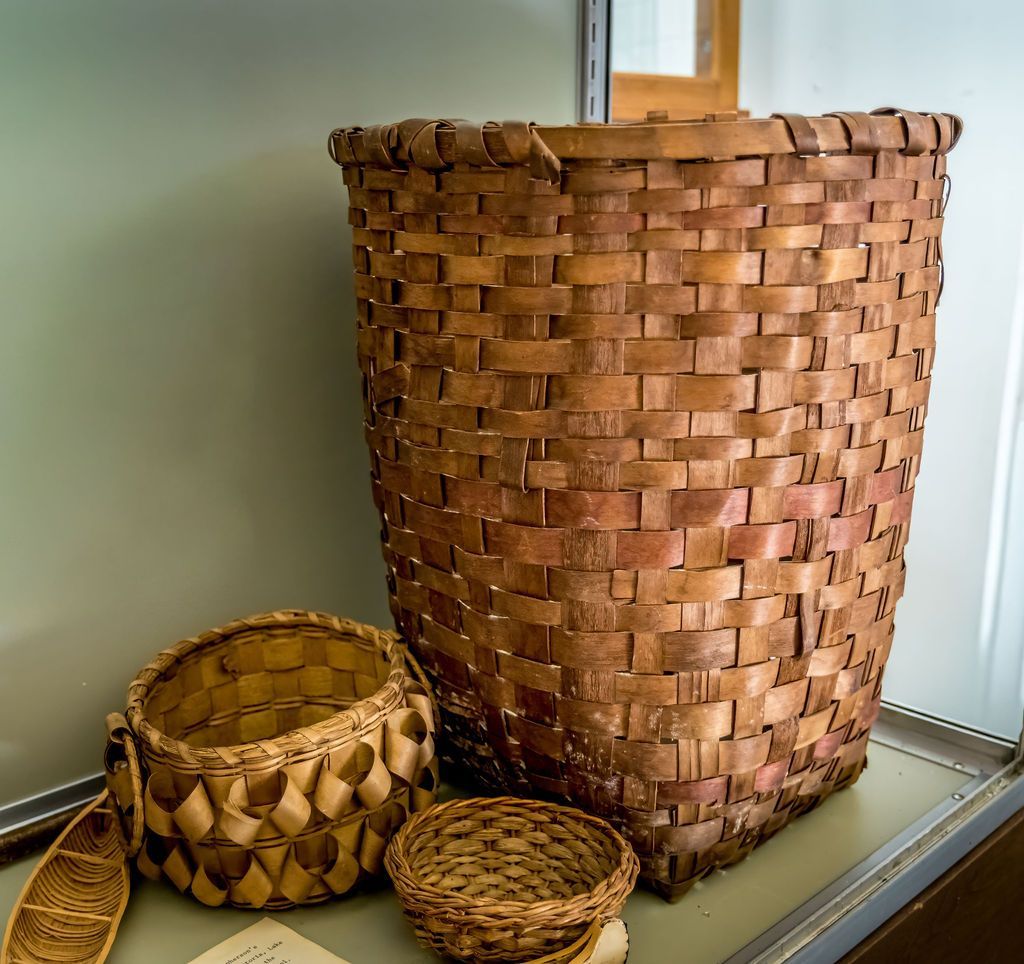
The museum also holds several Native American artifacts and documentation on one of Ottawa County's most notable Native American residents, Victoria Cadaract. She was the last Native American living in Northwest Ohio and the last full-blooded member of the Chippewa tribe. Victoria Cadaract made a living crafting baskets, some of which are on display at the museum, alongside many other Native American artifacts. In 2007, she had a plaque placed in her honor at the Chippewa Gold Course by the Maumee Bay Basket Weavers Club.
In fact, Ottawa County takes its name from the Ottawa. The word ‘Ottawa’ means ‘trader’. Lake Erie takes its name from the Erie tribe who lived in this area long ago until warring Iroquois from the New York area wiped out the Erie. ‘Erie’ means ‘large cat’ and the Erie tribe were known as the ‘Cat People’. The museum has a collection of Native American artifacts dating back 1,000 years.
The museum also holds several Native American artifacts and documentation on one of Ottawa County's most notable Native American residents, Victoria Cadaract. She was the last Native American living in Northwest Ohio and the last full-blooded member of the Chippewa tribe. Victoria Cadaract made a living crafting baskets, some of which are on display at the museum, alongside many other Native American artifacts. In 2007, she had a plaque placed in her honor at the Chippewa Gold Course by the Maumee Bay Basket Weavers Club.
Our Early Settlers
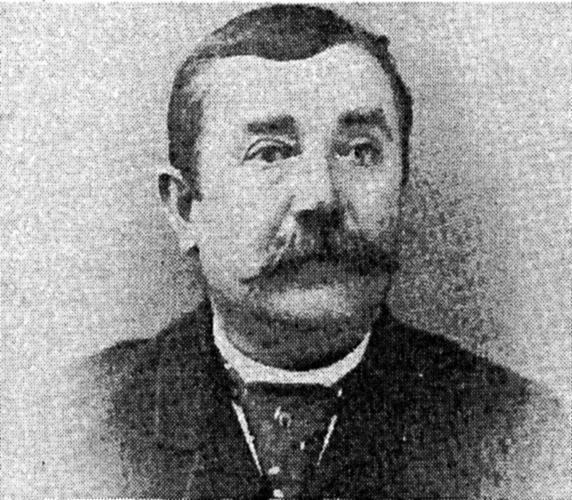
Discover the challenges and triumphs of the county's early settlers.
Our Early Settlers
The Ottawa County Museum is proud to house documentation and artifacts relating to the formation of Ottawa County. Some of the more notable examples are the original key to the first County Courthouse, (b. 1840) and an easel painting of Port Clinton's First Lighthouse (b. 1833).
Industrial Achievements
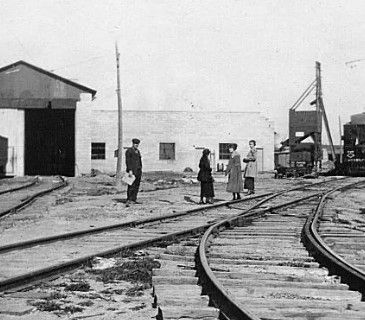
Learn about the industries that shaped our region, including the Matthews Boat Company and the Ford Tri-Motor.
Industrial Achievements
The hospitality and tourism industry is one of the most important and historical industries of Ottawa County. The museum is home to notable artifacts from historical hotels, including the infamous Hotel Victory (b.1892). At the time it was built, it was one of the largest hotels in the country, able to seat up to 1200 people in its two dining rooms! Unfortunately, Hotel Victory was destroyed in a fire in 1919, but some glassware and pottery recovered from the ruins, are now on display at the museum. Other industries featured are a basket factory, the Matthews Boat Company, Standard Products, and factories supporting WWII.
Community Stories
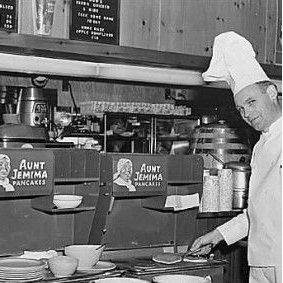
Personal narratives and artifacts from local families that bring history to life.
Community Stories
In addition to sharing community stories over our social media platforms and newsletters, the museum also has an extensive collection of community photographs and documented oral histories. The People of Ottawa County Milestones and Memories, A Collection of Oral Histories (Volumes 1 through 13) are available for sale, as well as a collection of thousands of community photographs from the early 19th century onwards, available for free viewing to museum visitors.
Military History
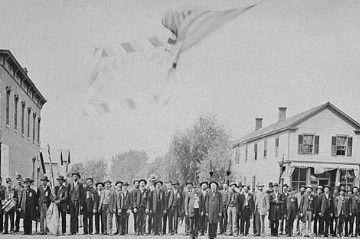
Explore artifacts, uniforms, and stories of Ottawa County residents who served in the military.
Military History
In the Battle of Lake Erie, Commodore Oliver Hazard Perry defeated the British fleet to win United States control over the Great Lakes and the passage west. The battle took place in 1813 just off the shore of Port Clinton between Put-in-Bay and Green Island. A framing timber from Perry's ship, Niagara is among our collection from the War of 1812.
Camp Perry is a National Guard training facility located on the shores of Lake Erie and has a long military history from before World War I. The area was an ordnance proving ground and depot, an intake station for enlistees, and the site of the National Rifle Matches. During World War II, Camp Perry served as a detention camp for German and Italian prisoners of war. The museum has several photographs of POWs and carvings and paintings made by them during their imprisonment.
Camp Perry is a National Guard training facility located on the shores of Lake Erie and has a long military history from before World War I. The area was an ordnance proving ground and depot, an intake station for enlistees, and the site of the National Rifle Matches. During World War II, Camp Perry served as a detention camp for German and Italian prisoners of war. The museum has several photographs of POWs and carvings and paintings made by them during their imprisonment.
Maritime Heritage
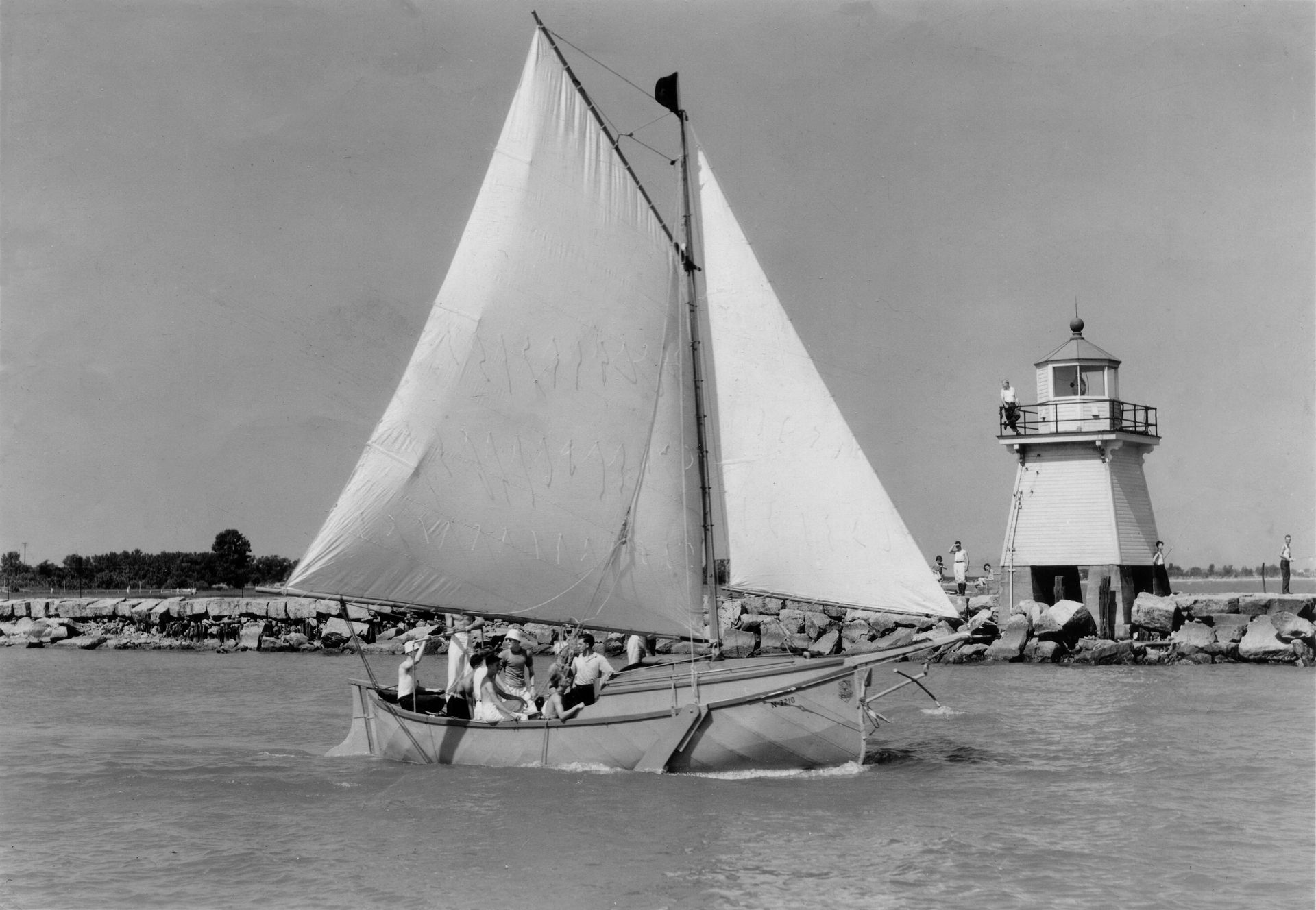
Learn about Ottawa County's deep connection to the Great Lakes, including the shipbuilding and fishing industries.
Maritime Heritage
The western basin of Lake Erie has always been a prolific fishing source. Port Clinton was founded as a fishing and boat building village. After the commercial fishing industry declined in the 1960s, recreational fishing became a large industry and sport for locals and visitors alike.
The Matthews Boat Company was founded in the 1800s by Scott Matthews in the basement of his home in Bascom, Ohio. He moved the company to Port Clinton in 1906 to take advantage of the proximity of Lake Erie. The Company built Navy boats and submarine chasers for three wars.
However, it earned its reputation in constructing an elite line of wooden luxury yachts. Matthews clientele included such notable figures as band leader Guy Lombardo, entertainer Arthur Godfrey, actor Robert Montgomery, beer company owner David Molson, and John Ringling, a partner in the Ringling Brothers Barnum & Bailey Circus.
The Matthews Boat Company was founded in the 1800s by Scott Matthews in the basement of his home in Bascom, Ohio. He moved the company to Port Clinton in 1906 to take advantage of the proximity of Lake Erie. The Company built Navy boats and submarine chasers for three wars.
However, it earned its reputation in constructing an elite line of wooden luxury yachts. Matthews clientele included such notable figures as band leader Guy Lombardo, entertainer Arthur Godfrey, actor Robert Montgomery, beer company owner David Molson, and John Ringling, a partner in the Ringling Brothers Barnum & Bailey Circus.
The 'Convict Ship' Success
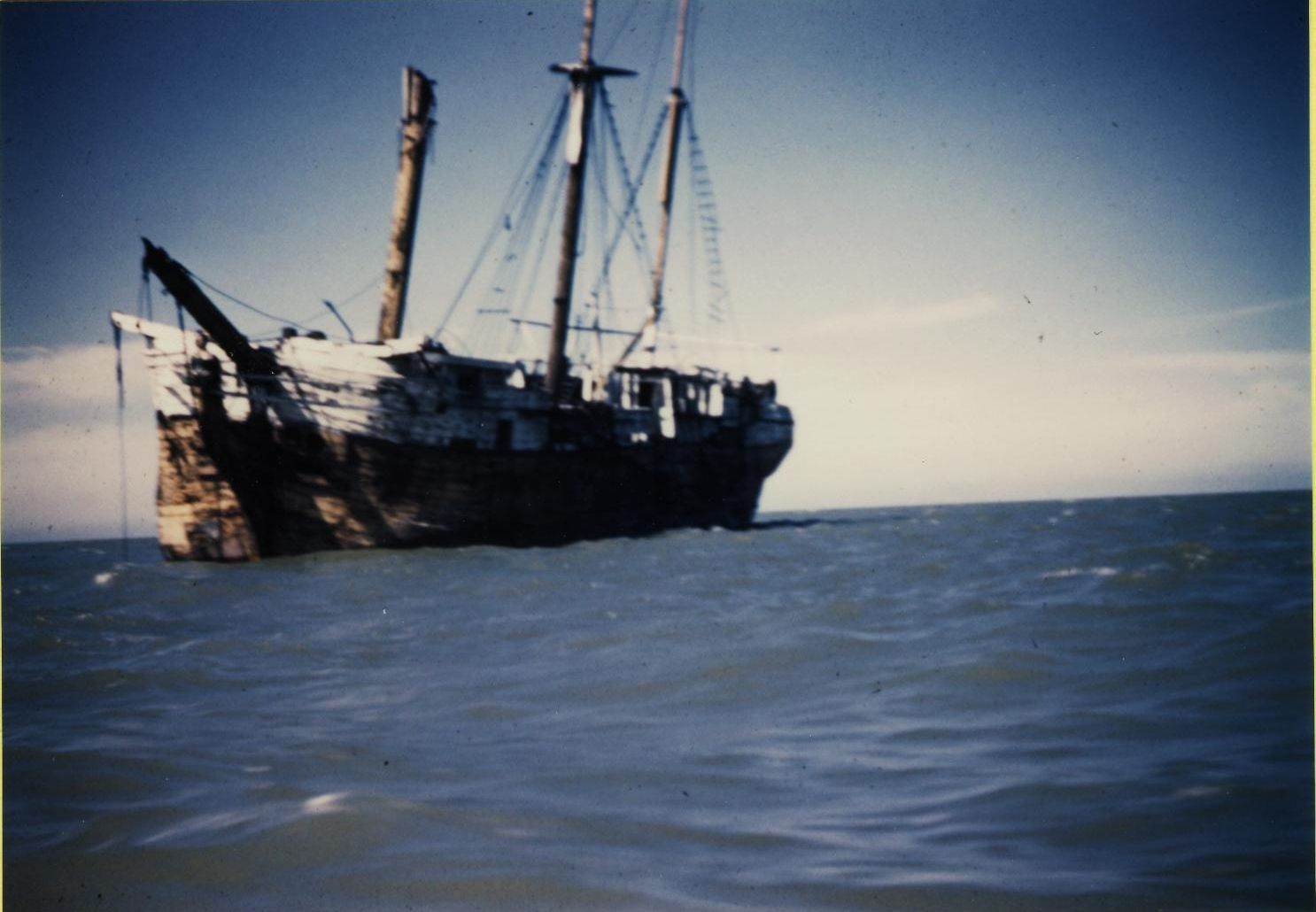
Discover the fascinating history of the infamous prison ship that once toured the Great Lakes.
The 'Convict Ship' Success
The HMS Success was launched in 1840 in Burma (today known as Myanmar). The first 50 years of her remarkable career saw her performing in a wide variety of roles—trader, emigrant ship, transport, and prison bulk. The remainder of her life saw her sailed and towed from port to port as a ‘museum’ ship.
By the time she met a rather sad end by fire in 1946 off the shore of Port Clinton, she had earned the unfair reputation of a hoax. In truth, the world lost a chance to preserve a superb example of 19th century shipbuilding and the oldest known boat afloat.
By the time she met a rather sad end by fire in 1946 off the shore of Port Clinton, she had earned the unfair reputation of a hoax. In truth, the world lost a chance to preserve a superb example of 19th century shipbuilding and the oldest known boat afloat.
Lighthouses of Ottawa County
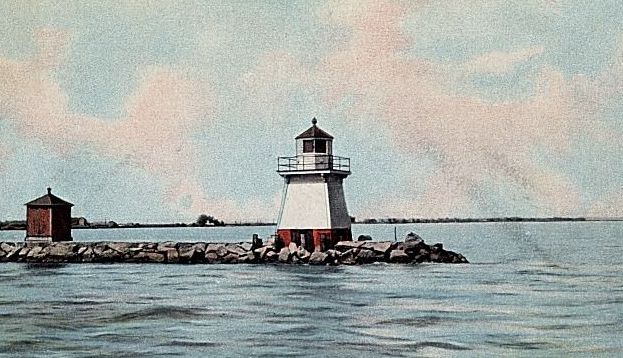
The guiding lights of the region—history, architecture, and stories of the county's historic lighthouses.
Lighthouses of Ottawa County
Ottawa County is home to three lighthouses: South Bass (Put-in-Bay), Marblehead (the oldest continuously operating lighthouse on the Great Lakes) and Port Clinton’s second lighthouse. In 2016, the restored Port Clinton Lighthouse was rededicated. Come in and view the history of these lighthouses before or after you visit them.
Agriculture & Rural Life
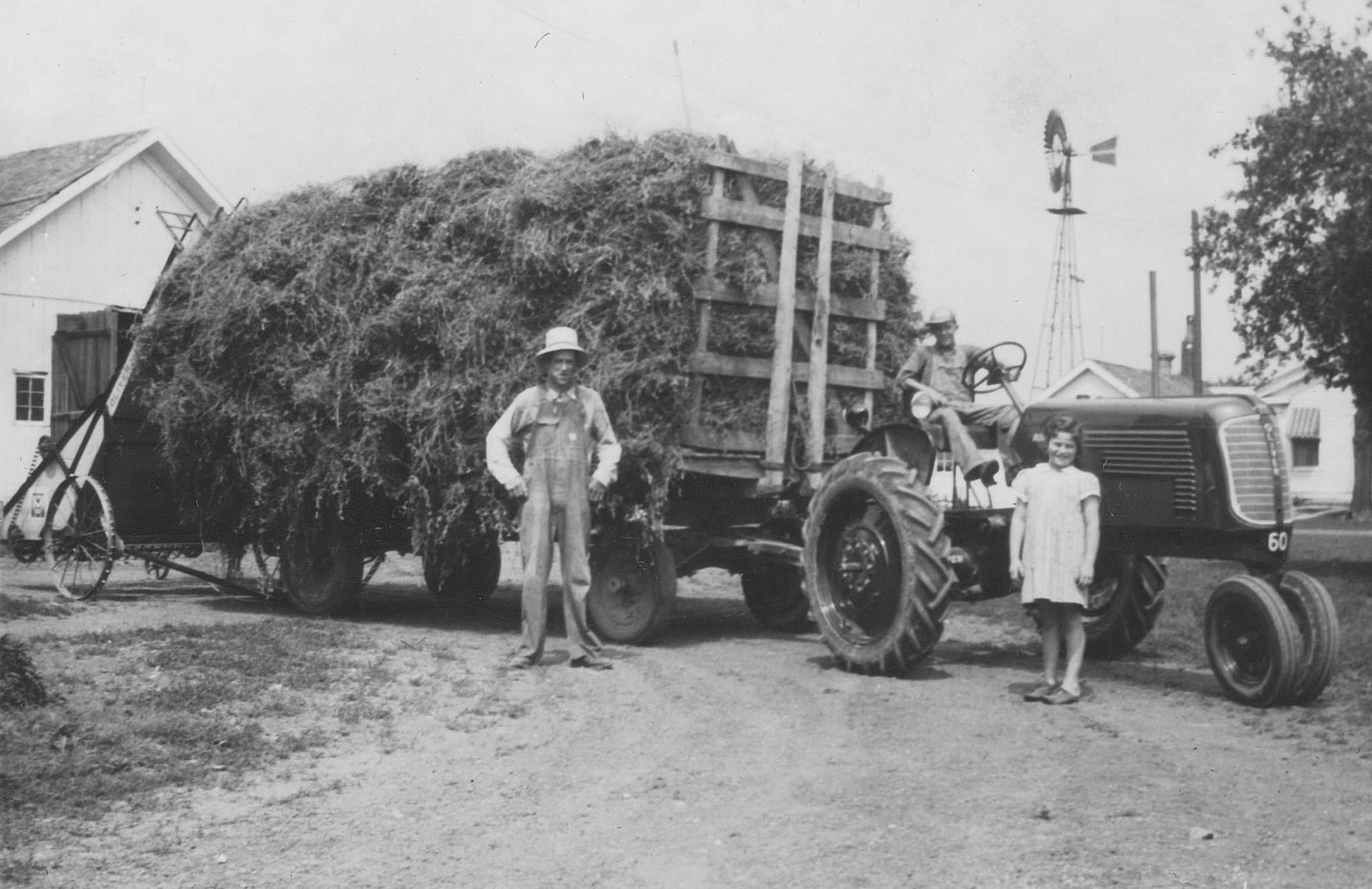
Explore how Ottawa County's agriculture has evolved from draining the Great Black Swamp to thriving farms and vineyards.
Agriculture & Rural Life
The County has a rich agricultural heritage—draining of the Great Black Swamp for farm fields, harvesting of oak trees in Oak Harbor and the western part of the county, and present day cultivating of farms, orchards, and vineyards. Farm artifacts on display depict this heritage.